
Why Chicken Remains One of the Most Popular Proteins in the World

Chicken has been a staple of human diets for thousands of years and continues to shape modern cuisine. In the United States, it leads per-capita protein consumption thanks to broad menu appeal and flexibility. Fried, grilled, roasted, or simmered, chicken works across nearly every dining occasion without losing familiarity.
Its success doesn’t follow trends. It rests on reliability.
From Domestication to Everyday Staple
People domesticated chickens more than 8,000 years ago, initially keeping them for egg production. Early on, cooks rarely ate the birds themselves until they stopped laying, which made the meat tougher and slower to cook. As a result, chicken remained a luxury item well into the early 1900s.
Improved farming practices gradually changed that. By the mid-20th century, advances in poultry production lowered costs and increased availability, pushing chicken into the mainstream American diet. What started as an occasional meal quickly became a daily staple, and consumption has continued to grow since.
What Explains Chicken’s Enduring Popularity?
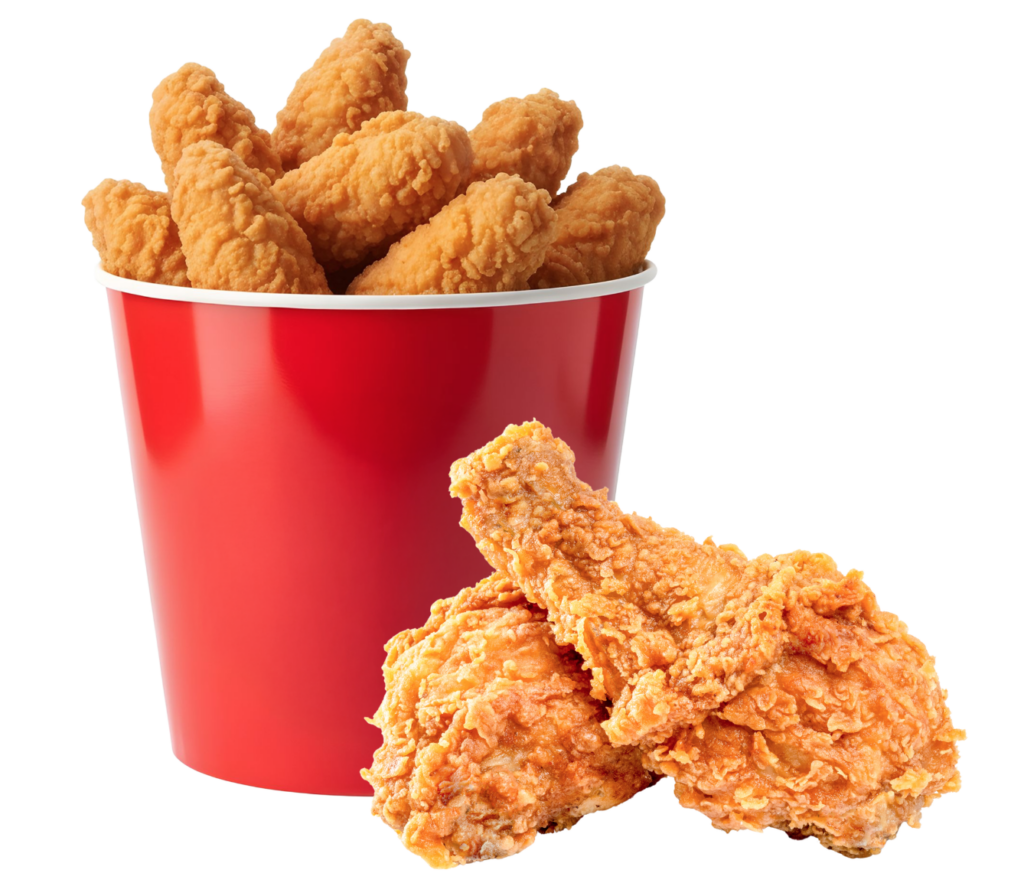 Chicken’s role in modern diets comes down to a small set of consistent advantages. Together, these factors explain why it remains a staple on menus in the U.S. and around the world.
1. Chicken Became Widely Accessible Through Modern Poultry Production
For much of history, chicken was not an everyday food. Limited supply and longer cooking times kept it out of regular rotation. Advances in poultry production changed that by lowering costs and improving consistency, making chicken more widely accessible.
This shift established chicken as a dependable, everyday protein.
2. Chicken Works Across Nearly Every Dining Format
In the United States, chicken is the leading source of per-capita protein consumption because it suits almost any menu style. Fried chicken drives demand in quick-service, fast-casual, and convenience-focused settings, while grilled, roasted, and simmered preparations anchor sandwiches, salads, bowls, soups, and center-of-plate entrées.
This flexibility allows chicken to move easily between indulgent comfort food and lighter, protein-forward meals without altering the core ingredient.
Chicken remains the leading global protein source due to its affordability, versatility, and scalability. It works across cuisines, supports modern nutrition preferences, and performs reliably in both home kitchens and high-volume foodservice environments.
3. Chicken Delivers Protein Without Limiting Menu Options
The nutritional profile of chicken plays a significant role in its popularity. Lean cuts such as chicken breast provide high protein with relatively low fat, appealing to consumers focused on balanced or high-protein diets.
At the same time, thighs and wings offer richer flavor and higher fat content. This range allows chicken to meet both nutritional expectations and taste-driven demand without compromise.
4. Chicken Adapts Easily Across Global Cuisines
Chicken appears in nearly every cuisine worldwide because its mild flavor allows it to absorb regional spices, cooking techniques, and traditions. This adaptability reinforces its global staying power.
Chicken soup offers a clear example. Cultures across continents prepare chicken-based soups ranging from light broths to hearty stews, relying on the protein for comfort, nourishment, and everyday meals.
5. Chicken Supports Scale and Shared Food Moments
Chicken’s influence extends beyond individual meals. Americans consume billions of chicken wings each year during major sporting events, underscoring the role of chicken in shared food experiences.
Record-setting servings of fried chicken and massive operational frying equipment further illustrate how deeply chicken shapes food culture and high-volume foodservice environments.
Why Chicken’s Popularity Endures
Chicken continues to succeed because it works across cuisines, budgets, and cooking methods. It supports indulgent menus and health-focused eating without requiring a different ingredient.
Consumers and operators trust chicken. That trust keeps it on menus year after year.
FAQs About Chicken
Why does chicken remain the most popular protein in the United States?
Chicken remains popular because it is affordable, widely available, and adaptable to many cuisines and dining formats. Its balance of protein content and versatility supports both indulgent and health-focused eating.
Is chicken a good protein option for modern diets?
Yes. Chicken, especially lean cuts like breast meat, provides high protein with relatively low fat, aligning with balanced and high-protein dietary preferences.
Why does chicken work across so many global cuisines?
Chicken’s mild flavor and flexible texture allow it to absorb spices, marinades, and cooking techniques, making it easy to adapt to regional dishes around the world.
Make sure the fried chicken dishes on your menu are prepared with the best equipment – use our fryer selector to get started:

Topics
- Foods & Trends (93)
- Fryers (89)
- Oil (58)
- Fried Food (54)
- Filtration (33)
- See All Topics