
How Faster Oil Filtration Protects Food Quality in High-Volume Kitchens
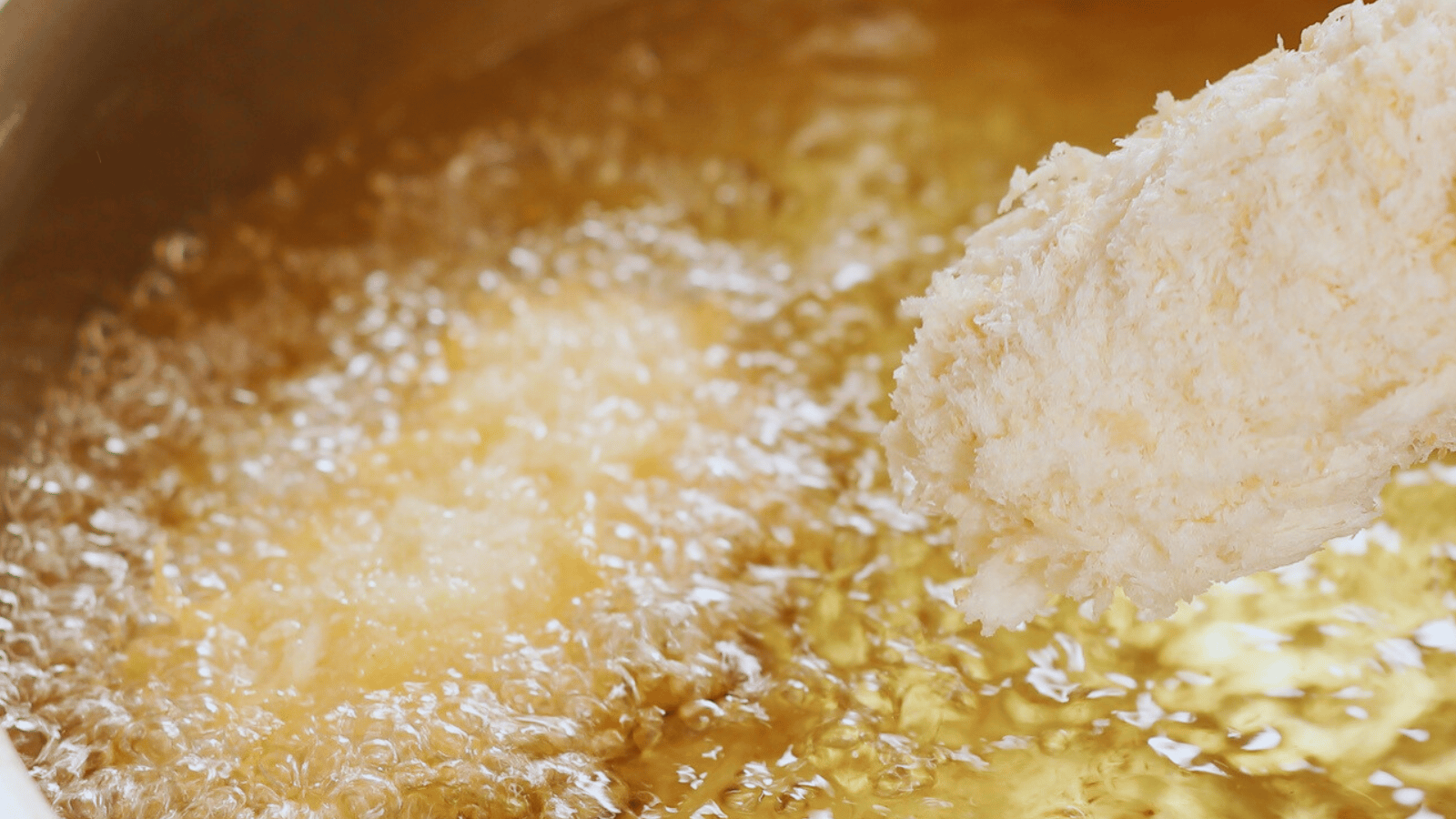
Slow oil filtration rarely shows up on a P&L. Still, operators feel its effects everywhere else: darker oil halfway through the shift, fries that lose their brightness, breading fallout collecting in the corners of the vat, and a line that stops moving when recovery lags.
The root cause is simple. When filtration takes too long, staff skip cycles. It’s not negligence; it’s a matter of workflow. No one wants to pause production during a rush for a process that steals 10 minutes of uptime. Over the course of a week, those skipped cycles add up to inconsistent batches and higher oil consumption. The oil breaks down faster, forcing premature dumps and swings in food quality, depending on who remembered to filter and when.
Frequent filtration is the fix. Long filtration cycles are the barrier.
Why Faster Filtration Is the Key to Better Food and Longer Oil Life
Operators already know filtration matters. What’s less obvious is the role speed plays in whether filtration actually happens on schedule.
Cleaner oil lasts longer, maintains heat more consistently, and supports steadier browning. When debris is removed before it can carbonize, the oil resists darkening and breakdown. Food comes out lighter, crisper, and more predictable, which is especially important in multi-daypart operations.
Filtration only protects oil and food quality when it occurs frequently, and the frequency depends on the speed. That’s why Pitco rebuilt its filtration system to complete a full cycle in about 3.5 minutes.
But none of those benefits materialize if filtration is delayed. A system where the filtration system operates quickly encourages more frequent use. The faster the cycle, the more likely it is that filtration will occur between batches, after rushes, or whenever the oil needs it, rather than just when labor allows it. Speed turns filtration from a chore into a built-in habit of a well-run fry station.
Pitco’s High-Speed Filtration Technology: Built for Real Kitchen Workflows
Pitco re-engineered its filtration system to match the way commercial kitchens actually operate. The optional, upgraded features focus on two key areas that significantly impact filtration performance: pump speed and drain capacity.
An 8 GPM (gallons per minute) Pump
Previous models used a 4 GPM pump. Doubling the strength means oil circulates and polishes faster, cutting down the total cycle time and helping the system clear particulates before they degrade.
Wider 1½-inch Drains
By increasing from the original 1¼-inch size, Pitco reduces bottlenecks in the oil return path. Faster flow means less waiting and less heat loss during the cycle.
Together, these changes bring the filtration cycle to roughly 3.5 minutes. That shortened window reduces downtime, improves oil heat retention, and minimizes the lag time between filtering and returning to work. In kitchens where every minute of uptime counts, those saved minutes compound across shifts.
Operators get quicker filtration, faster recovery, and a fry station that stays in rotation rather than falling behind. Available on ROV (Reduced Oil Volume) fryers and Solstice Supreme (Cold Zone) product families.
What Faster Filtration Means for Commercial Operators
The benefits of high-speed filtration extend beyond the vat:
-
- More consistent food quality: Clean oil supports even coloration and predictable texture.
- Extended oil life: Frequent oil changes delay oil breakdown, reducing the frequency of oil disposal.
- Less downtime: Short cycles fit naturally between batches, not instead of them, leading to higher production.
- Better staff compliance: When filtration takes less time, it actually gets done.
- Smoother workflow across dayparts: Faster recovery keeps operators on pace, even during heavy traffic.
Ultimately, faster filtration protects margins while improving the guest experience. It brings stability to one of the most volatile areas of a commercial kitchen, providing staff with the tools to maintain quality without compromising throughput.
Commercial Frying Oil Filtration FAQs
How often should commercial kitchens filter fryer oil?
Most high-volume operations should filter multiple times per day. The exact cadence depends on the menu, breading usage, and traffic, but frequency matters more than anything else. Faster filtration makes it realistic for staff to keep that schedule.
What happens if filtration cycles take too long to complete?
Long cycles lead staff to skip filtration during busy periods. This creates darker oil, inconsistent food color and texture, slower recovery, and higher oil costs because the oil breaks down more quickly.
How does Pitco’s upgraded filtration system speed up the process?
Pitco doubled pump strength from 4 GPM to 8 GPM and increased drain size from 1¼ inches to 1½ inches. Together, those changes bring the total filtration cycle to approximately 3.5 minutes, allowing kitchens to filter more frequently without interrupting workflow.
Does faster filtration impact food quality?
Yes. Cleaner oil produces more consistent browning, better flavor, and steadier texture. By encouraging more frequent filtration, operators get higher-quality fried food throughout the day, not just after the first filter of the morning.

Topics
- Foods & Trends (93)
- Fryers (89)
- Oil (58)
- Fried Food (54)
- Filtration (33)
- See All Topics